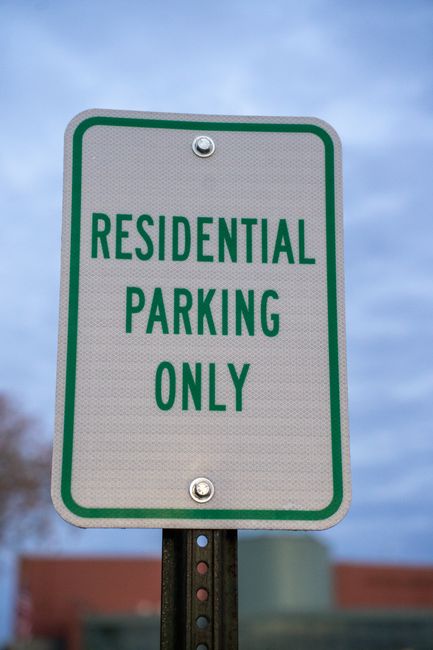
Camden Council parking permit rules for removals Kentish Town

If you are planning a move in Kentish Town, parking can become the one detail that turns a decent removals day into a stressful one. The street looks straightforward at 7am, then a delivery van appears, a resident comes back for the last bay, and suddenly the whole plan shifts. That is why Camden Council parking permit rules for removals Kentish Town matter so much: they help you avoid delays, tickets, awkward unloading, and unnecessary lifting back and forth.
This guide breaks down how parking permissions usually work for removals in Kentish Town, what to check before moving day, which mistakes catch people out, and how to build a calm, efficient plan around local parking conditions. It is written for real-life moving situations, not just theory. To be fair, that is the only version that helps when a sofa is halfway out of a front door.
We will also cover practical options if your move is small, fiddly, or time-sensitive, including a man and van service, flat removals, and short-term storage when timing does not quite line up. If your move involves documents, business kit, or furniture you do not want underfoot, the site's document storage and furniture storage pages can also be useful background reading.
Expert summary: the safest approach is to treat parking as part of the move plan, not an afterthought. Check access early, confirm whether a suspension or parking permission is needed, allow buffer time, and keep the mover, the property manager, and the council-side process aligned. Small detail. Big difference.
Why Camden Council parking permit rules for removals Kentish Town Matters
Kentish Town has a lot of the ingredients that make removals parking tricky: busy residential streets, limited space, mixed permit zones, and neighbours who quite rightly want access to their own kerb space. If your removals vehicle cannot park close enough to the property, the job becomes slower, more expensive, and a lot more physically demanding. That is true whether you are moving from a top-floor flat, a terraced house, or a small office on a narrow road.
Parking rules matter for three reasons. First, they affect access. If the van is too far away, the team spends more time walking items in and out. Second, they affect compliance. Local restrictions can lead to parking enforcement action if a vehicle is left where it should not be. Third, they affect timing. In moving work, a delay of twenty minutes can ripple into the rest of the day.
In practice, many moves in Kentish Town go best when the parking plan is sorted before the boxes are even taped shut. That means thinking through loading space, bay availability, any need for a dispensations or permissions process, and whether your chosen removal team is used to working in Camden. Local streets can feel calm one minute and suddenly tight the next, especially mid-morning when residents, deliveries, and tradespeople all arrive at once. You know the sort of street: one of those where everybody is trying to do their job at the same time.
Practical takeaway: the parking arrangement is not just a legal detail. It is part of the moving strategy, and often the difference between a smooth removal and a slightly chaotic one.
How Camden Council parking permit rules for removals Kentish Town Works
The exact parking setup depends on the road, the bay markings, the time of day, and the type of vehicle involved. In Camden, streets may include resident bays, shared-use bays, pay-by-phone spaces, loading restrictions, yellow lines, suspension zones, or permit-controlled areas. What matters for a removals day is not the label alone, but whether the vehicle can safely and legally stop close enough for loading or unloading.
For a removals vehicle, there are usually a few moving parts to think about:
- Where the vehicle can stop: a loading bay may be suitable in some circumstances, but the rules can vary by location and time.
- How long the vehicle will need: a small move might take an hour, while a family house move can take most of the day.
- Whether advance permission is needed: some streets or situations may require a permit, a suspension, or another form of parking arrangement.
- Whether the vehicle itself fits the street: Kentish Town roads can be narrow, and larger vans may make access harder.
If you are booking a local removals team, it is sensible to share the exact postcode, the road name, floor level, and any access problems as early as possible. A good mover will use that information to judge whether they need a smaller vehicle, extra labour, or a different arrival window. That kind of detail sounds boring until you are carrying a wardrobe around a corner in drizzle. Then it becomes very interesting indeed.
Where a parking permit or related local arrangement is needed, the safest course is to confirm the current Camden process directly with the council before moving day. Rules can change, and street-by-street restrictions are one of those things that nobody remembers accurately from memory. Best not to guess.
One more point. If you are arranging a flat move with limited access, lift delays or stair-only access can make vehicle positioning even more important. That is where packing services can help reduce handling time, because well-packed items load faster and cleaner. Less faff, less wobbling, less risk.
Key Benefits and Practical Advantages
Getting the parking side right is about much more than avoiding fines. It improves the whole moving experience in ways people feel immediately, especially on a tight London street.
- Less carrying distance: the closer the van can legally get, the faster the move usually runs.
- Lower risk of damage: shorter walking distances mean fewer knocks, scrapes, and awkward turns.
- Better time control: a sensible parking plan reduces the chance that the rest of the schedule slips.
- Less pressure on neighbours and traffic: a well-managed vehicle is less likely to block access or create tension on the street.
- Cleaner budgeting: the fewer parking surprises, the less chance of paying for avoidable delay or return visits.
There is also a psychological benefit, and that should not be ignored. When you know the van has a proper place to stop, the whole day feels more manageable. You stop doing that thing where you keep checking the window every five minutes, wondering if the bay has filled up. Truth be told, everyone does it a bit.
For people with larger homes, mixed furniture, or awkward items, parking planning can also influence whether storage is needed. If the move-out and move-in dates do not align neatly, then a short hold in removals and storage can take the pressure off. That is often a simple fix for a surprisingly messy problem.
Who This Is For and When It Makes Sense
This topic is relevant to a surprisingly wide group of people. You might think parking permits only matter for big house removals, but that is not really the case. In Kentish Town, even a small move can need proper planning if the road is tight or heavily parked.
You will usually want to pay close attention if you are:
- moving from or into a flat on a busy residential street;
- using a van for the first time and are not sure how much space it needs;
- coordinating with an agency, landlord, or building manager;
- moving office equipment or stock from a premises with limited frontage;
- trying to complete a same-day move with no room for delay;
- dealing with bulky items such as wardrobes, appliances, or sofas;
- arranging access for a small removals job where speed and parking accuracy matter just as much as cost.
For students, the picture can be even more time-sensitive. End-of-term moves often happen on the same weekends, which means parking space gets snapped up early. If that sounds familiar, it may be useful to look at student storage if you are bridging a gap between tenancies. A lot of people do that now, and frankly it saves a lot of running around.
Businesses are in the same boat, just with different boxes. If you are moving files, tech, desks, or archive material, parking around a loading area can be a deciding factor. That is where office removals and business storage can fit neatly into a wider plan.
Step-by-Step Guidance
Here is a sensible way to approach the parking side of a removal in Kentish Town. Keep it simple. Simple works.
- Check the address early. Confirm the exact street, postcode, side of the road, and nearest landmark. One wrong assumption about the building entrance can waste time later.
- Identify the access type. Ask whether the property sits on a permit street, a loading bay, a single yellow line area, or a road with timed restrictions. If there is a concierge, caretaker, or building manager, ask what they know. They usually know more than they first let on.
- Estimate vehicle size. A man and van may be enough for a smaller move, while larger household removals need a bigger vehicle or multiple trips. Bigger is not always better if the road is tight.
- Build the timings backwards. Think about lift access, key collection, packing completion, and whether the van needs to arrive before traffic builds up.
- Confirm any permission or suspension requirement. If the road needs council approval for stopping, loading, or suspending parking bays, arrange that in advance. Do not leave it until the night before.
- Tell everyone the same plan. Your mover, landlord, neighbour contact, and anyone helping on the day should all know the arrival time, bay choice, and contingency plan.
- Prepare for the unexpected. A space may be occupied, a lift may fail, or a key may be late. Have a fallback route in mind. Maybe even two.
If your move includes items that are better packed or held temporarily, consider how self storage or secure storage could help reduce pressure on the moving day itself. Sometimes the best removal is the one that does not try to do everything in one go.
Expert Tips for Better Results
A few practical habits make a noticeable difference. These are the kinds of details that experienced movers end up caring about because they save time, backache, and a fair bit of frustration.
- Photograph the street before the move: a quick image of bay markings, signs, and access points can help everyone stay aligned.
- Use the quietest realistic window: early starts can be easier for parking and loading, though not every building allows them. Still, a calmer street at 8am is often easier than a crowded one at lunch.
- Keep the route clear indoors: if the van is parked properly but the hallway is cluttered, you have only solved half the problem.
- Protect awkward items first: mirrors, lamps, and flat-pack pieces benefit from careful wrapping before they ever get near the door.
- Leave buffer time in the schedule: ten to fifteen minutes can be enough to absorb a small parking delay without throwing the whole day.
One small but useful habit is to label items by room and priority. It sounds ordinary, almost too ordinary, but it speeds everything up once the van is parked. And if the weather turns grey, as it often does around here, you will be glad you did. Boxes and rain are not a charming combination.
If you are moving furniture that will not fit neatly into the new place yet, arranging furniture storage can prevent the classic "shall we leave it in the hallway for now?" situation. Let's face it, hallways fill up quickly.
Common Mistakes to Avoid
The biggest error is assuming parking will sort itself out. Sometimes it does. Often it does not. In Camden, that assumption can be expensive.
- Leaving parking checks until moving day: this is probably the most common issue and the easiest one to prevent.
- Booking a vehicle that is too large: bigger vans can be harder to place legally on narrow streets.
- Ignoring building restrictions: some properties have their own loading rules, concierge permissions, or access times.
- Failing to brief helpers: if friends are helping, they should know where to wait and which door to use.
- Not checking for same-day restrictions: street cleaning, events, and temporary works can affect parking even when the bay looks available.
- Forgetting about storage needs: if dates overlap awkwardly, people try to force everything into one move and end up rushed.
Another mistake is relying on memory. "I parked there last year" is not a plan. Roads change, signs change, and sometimes the rules are simply different at the other end of the same street. A sensible mover treats each address as fresh.
And one more thing: do not underestimate how long loading actually takes. A wardrobe does not care that the clock is against you. The wardrobe will win.
Tools, Resources and Recommendations
You do not need a complicated toolkit, just a few practical resources to keep the move organised. The best ones are often the simplest.
- A written move plan: include address, access notes, arrival time, floor level, contact names, and any bay or loading notes.
- Room-by-room labels: these save time and reduce mistakes when unloading.
- Measuring tape: useful for tight doorways, furniture dimensions, and van load planning.
- Photos of the property entrance: especially helpful if the move team has not visited before.
- Secure packing materials: stronger boxes and wrapping make loading safer and quicker.
For people who want support with packing itself, the site's packing services page is worth a look. If your move is part of a larger domestic transition, house removals gives a broader picture of how home moves can be organised. For many Kentish Town residents, that wider planning is what keeps the day from getting messy.
You may also want to review the company's approach to insurance and safety, especially if the move includes valuable, delicate, or irregularly shaped items. That kind of reassurance matters. It really does.
Law, Compliance, Standards, or Best Practice
Parking arrangements for removals sit at the intersection of local traffic controls, landlord/building requirements, and general moving best practice. Because the exact rules depend on the street and vehicle type, the safest position is to treat official local restrictions as the starting point and not the afterthought.
In practical terms, a compliant move should aim to:
- respect signed restrictions and time limits;
- avoid blocking access for residents, emergency services, or deliveries;
- use the proper permission route where required;
- keep the vehicle parked only where it is allowed to stop;
- coordinate with building or estate rules where relevant.
For removals companies, best practice also includes carrying out a sensible access assessment, documenting the plan, and advising the client when a smaller vehicle, extra labour, or storage option would make the move safer. That is not overcautious. It is just good work.
From a customer point of view, the key standard is straightforward: ask questions early, keep records of any permission or instructions, and do not assume that a loading space is automatically available just because it looks empty at first glance. In a busy part of London, appearances can be misleading.
Options, Methods, or Comparison Table
Different moving situations call for different approaches. The right parking and vehicle choice depends on the property, the amount to move, and how tight the street is. Here is a simple comparison to help you think it through.
| Approach | Best for | Pros | Watch-outs |
|---|---|---|---|
| Small van / man and van | Studios, small flats, lighter loads | Easier to place on narrow streets, flexible, often quicker | May need multiple trips if the load is larger than expected |
| Full removals vehicle | Family homes, larger volumes, bulky furniture | More capacity, fewer journeys, more efficient for big moves | Harder to park or manoeuvre in tight Kentish Town roads |
| Parking arrangement or suspension | Where access is limited or space must be reserved | Reduces uncertainty and supports a proper unloading point | May need advance planning and exact compliance with local rules |
| Split move with storage | Staggered dates, downsizing, renovation gaps | Less pressure on move day, more flexibility | Requires extra coordination and a temporary holding plan |
If your property is compact, a small removals approach may be the most sensible. If you are juggling a gap between completion dates, a combination of short-term storage and local delivery can make life much easier. There is no prize for doing it the hard way.
Case Study or Real-World Example
Picture a typical Kentish Town flat move on a Thursday morning. The client has one bedroom's worth of furniture, a sofa, several boxes, a bicycle, and a couple of fragile items that need careful wrapping. The street has limited parking and a steady flow of residents coming and going. Not dramatic. Just London.
Instead of arriving and hoping for the best, the move is planned the day before. The team confirms the street layout, checks whether the vehicle can stop near the entrance, and allows extra time for loading. The client packs the smaller boxes in advance, labels the fragile items, and keeps the corridor clear. A neighbour has been told the van might be outside for a short window, which avoids confusion at the door.
What happens? The move runs steadily. There is a brief wait while another vehicle leaves a nearby space, but because the schedule has a buffer, nothing gets rushed. The sofa clears the doorway without damage, the boxes are loaded in sequence, and the day ends with everyone less tired than they expected. Not perfect. But pleasantly close.
That is the point: a good parking plan does not need to be flashy. It just needs to be realistic and early enough to avoid panic. Calm planning wins more often than heroics.
Practical Checklist
Use this checklist a few days before moving day. It is simple, but it catches the awkward little things that tend to cause trouble.
- Confirm the exact move address and postcode.
- Check whether the road has permit-only, loading, or timed parking controls.
- Ask whether a council parking permission or suspension is needed.
- Share access details with your removal team.
- Confirm vehicle size and whether the street can handle it.
- Check building access times, lift rules, and key collection arrangements.
- Label all boxes by room and priority.
- Prepare a fallback plan if a space is occupied.
- Arrange storage if your dates do not line up neatly.
- Keep contact details handy on the day.
Helpful reminder: if you are moving business items, archives, or equipment that need to stay organised, office storage and business storage can reduce clutter and make the parking side simpler too.
Conclusion
Camden Council parking permit rules for removals Kentish Town are not something to leave until the last minute. They shape the access, timing, cost, and comfort of the whole move. When you handle parking well, the rest of the job tends to feel more controlled and a lot less stressful. When you ignore it, small problems can stack up very quickly.
The best approach is straightforward: check the street, confirm the rules, brief everyone involved, and allow for a little breathing room. That may sound basic, but basic is what works on a busy London street at moving time. If you also need help with packing, storage, or a smaller local move, there are practical service options available to support the plan rather than complicate it.
Get a free quote today and see how much you can save.
And if you are still in the planning stage, take a moment now to get the parking side straight. It is one of those little decisions that makes the day feel lighter before it has even begun.
Frequently Asked Questions
Do I need a parking permit for removals in Kentish Town?
It depends on the street, the type of bay or restriction in place, and how long the vehicle needs to stop. Some addresses can be managed with existing loading space, while others may need advance permission or a council-approved arrangement. The safest approach is to check the exact road conditions before moving day.
Can a removals van stop on yellow lines in Camden?
Not automatically. Yellow line rules can vary by time, location, and loading conditions. Even where stopping may be allowed briefly for loading, you should not assume that this will always be acceptable. Always check the local restriction for that specific street.
How far in advance should I arrange parking for a move?
As early as possible. For a simple move, a few days may be enough to review the details, but for busy streets or larger removals, earlier planning is better. It gives you time to confirm permissions, vehicle size, and any building rules without rushing.
What happens if the parking space is taken on moving day?
That is exactly why a fallback plan matters. The team may need to wait, reposition, use an alternative legal stopping point, or in some cases adjust the unloading approach. A buffer in the schedule helps a great deal here.
Is a smaller van better for Kentish Town streets?
Often, yes, especially where roads are narrow or parking is tight. A smaller van can be easier to place legally and may reduce manoeuvring stress. That said, the right choice depends on the volume of belongings, so smaller is not always the answer.
What should I tell the removals company before the job?
Give them the exact address, access notes, parking restrictions, floor level, lift availability, and whether there are any awkward items. The more accurate the information, the better they can plan the vehicle, crew size, and arrival time.
Can storage help if parking or dates are difficult?
Yes. If completion dates, access times, or parking restrictions make a direct move awkward, storage can bridge the gap. Options such as household storage and long-term storage are useful when you need flexibility beyond a single moving day.
Are office moves treated differently from home removals?
They can be, mainly because commercial buildings may have different loading arrangements, security procedures, and time windows. Parking is still central, but the practical details often involve building management and business access needs as well.
What if I only have a few items to move?
Then a smaller vehicle or man and van setup may suit you better. Even small moves in Kentish Town can still need careful parking planning, though, because a small volume does not always mean easy roadside access.
How do I reduce stress on moving day?
Plan parking early, pack clearly, keep the route open, and leave a time buffer. It also helps to decide in advance what must move first and what can wait. That simple bit of order makes the day feel much calmer.
Can packing services make parking easier?
Indirectly, yes. If items are packed well and ready to load, the van spends less time on the street and the whole process becomes more efficient. That can make a real difference where parking is limited.
What is the best next step if I am still unsure?
Start with the address, note the parking signs, and confirm the move details with your removal provider. If you need a broader moving plan, look at the service options that fit your situation and build from there. A bit of clarity now saves a lot of running around later.