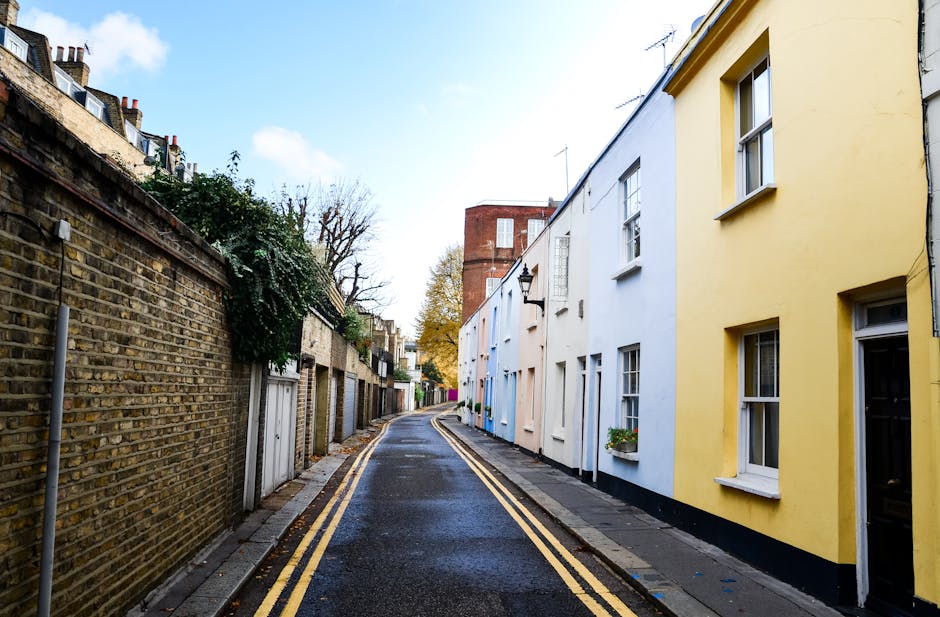
Common problems for removals on narrow Kentish Town streets
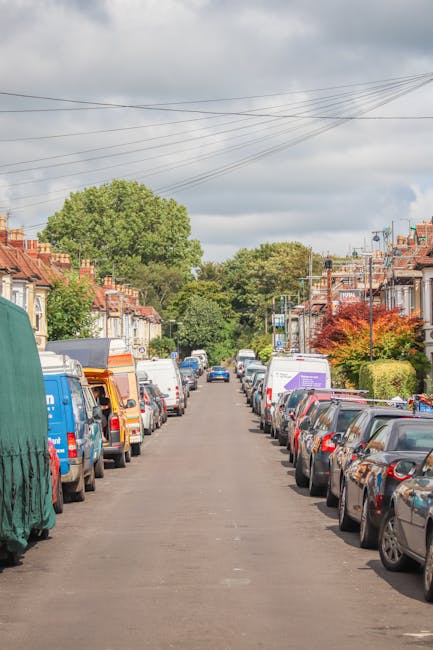
Moving house sounds straightforward until you meet a Kentish Town street that barely seems wide enough for a small car, let alone a removal van. In practice, common problems for removals on narrow Kentish Town streets tend to come down to access, timing, parking, stairways, and the simple reality that London roads were not designed with a wardrobe in mind. If you are planning a move here, the difference between a calm day and a stressful one is often in the small details.
This guide walks through the real issues people run into, why they matter, and how to handle them without drama. You will also find a practical step-by-step approach, a useful checklist, and a realistic comparison of moving methods so you can decide what fits your home, your street, and your budget.
Why Common problems for removals on narrow Kentish Town streets Matters
Narrow streets change the whole tone of a move. On a roomy suburban road, a removals team can usually park close to the property, open the van doors, and work methodically. On a tight Kentish Town side street, every metre matters. One badly parked car, a low tree branch, a corner with awkward turning space, or a bin day queue can ripple through the whole schedule.
That is why this topic matters more than it may first appear. When access is poor, costs can rise, moving time stretches out, and the risk of damage goes up. You may find yourself carrying boxes further than expected, splitting loads into multiple trips, or waiting for a vehicle to free up space. Nobody enjoys that. And to be fair, it is usually avoidable with the right planning.
It also matters because Kentish Town is a lived-in, mixed-use part of north London. Flats, maisonettes, terraced houses, basement conversions, home offices, and small businesses all sit close together. The street layout can feel compact even on a good day. That means a removal that works well in one part of London may need a very different approach here.
How Common problems for removals on narrow Kentish Town streets Works
The phrase sounds a bit formal, but the reality is simple: a narrow-street move is about planning around constraints before the van arrives. The main challenges are usually physical access, vehicle size, walking distance from van to door, and keeping everything moving without blocking neighbours or traffic.
In practical terms, a move on a narrow street often unfolds like this:
- The team checks whether the van can stop close enough to the property.
- They assess turning space, kerb access, and any fixed obstacles such as railings or steep steps.
- They decide whether a smaller vehicle, a shuttle run, or a different loading position will work better.
- Furniture and boxes are carried in a planned order so that the heaviest items move first and the narrowest doorways are managed safely.
- Any awkward items are wrapped, measured, and sometimes temporarily stored until the route is clear.
The key thing here is that the move is not just about loading a van. It is about creating a safe path between the property and the vehicle, then keeping that path workable for as long as needed. If the street is too tight for a large lorry, a man and van service or a small removals approach can sometimes make far more sense than forcing a larger vehicle into a bad fit.
One of the less obvious issues is timing. Narrow streets punish delay. If your team arrives at the same time as school traffic, delivery vans, or a neighbour returning from the shops, the move can stall quickly. It sounds minor. It is not minor.
Key Benefits and Practical Advantages
It may sound strange to talk about benefits when the whole subject is problem-solving, but there are clear advantages to planning a narrow-street move properly.
- Less risk of damage to furniture, walls, railings, and parked cars.
- Faster loading because the route is thought through in advance.
- Lower stress on moving day, which honestly makes a huge difference.
- Better use of vehicles since the right size van is chosen from the start.
- Fewer repeat trips when packing and access are planned sensibly.
- Safer handling for bulky items, especially on stairs or uneven pavement.
There is also a quieter advantage: good planning preserves goodwill. Neighbours are more patient when the move is tidy, quick, and considerate. On a narrow street, that matters. One blocked driveway or a van parked badly for too long can sour the mood before the first box leaves the hallway.
For some households, it is also worth considering whether temporary storage could reduce pressure on the day itself. If you are between homes, downsizing, or waiting on access, options like removals and storage, short-term storage, or even household storage can take the edge off a tight schedule.
Who This Is For and When It Makes Sense
This guide is useful if you are moving from or to a top-floor flat, a basement flat, a terraced house with limited frontage, or a property where the van cannot sit directly outside. It is also relevant for landlords, letting agents, and small business owners moving office furniture through residential streets.
Typical situations include:
- Moving from a Victorian or converted flat with steep stairs and a narrow doorway.
- Relocating during a busy weekday when parking is already tight.
- Dealing with bulky pieces like sofas, beds, wardrobes, desks, and bookcases.
- Moving students with mixed loads, boxes, and a few awkward extras.
- Handling small business or home-office moves where equipment needs careful packing.
If you are moving out of a flat, a dedicated flat removals service can be a better fit than a one-size-fits-all household move. For a larger family property, house removals may suit, while compact or time-sensitive moves are often best handled through local removals.
Truth be told, narrow streets are not only for one type of mover. They affect almost everyone. The difference is how well the move is tailored to the building and the road.
Step-by-Step Guidance
Here is a practical way to approach a narrow-street move in Kentish Town without feeling like you are improvising the whole thing on the morning.
- Measure the access properly. Check gate widths, hallway turns, stair landings, ceiling heights, and the width of any communal areas. A tape measure is boring, but it saves hassle.
- Look at the street layout. Notice parked cars, loading restrictions, low branches, one-way turns, and whether the road narrows at the wrong point.
- Decide on the right vehicle size. Bigger is not always better. A smaller vehicle may actually save time if access is awkward.
- Plan the loading order. Put awkward, heavy, or fragile pieces in first if they will be needed at the delivery end, and keep essentials separate.
- Protect the route. Use furniture blankets, wrap corners, and clear loose rugs or clutter from hallways.
- Make a parking plan. If the van cannot stop directly outside, work out the nearest sensible loading point and the safest walking route.
- Build in extra time. Narrow streets rarely run exactly to schedule. Allow breathing room. It helps more than people expect.
A small but useful habit is to stage your belongings by exit point before moving day. One pile near the front room, another by the kitchen, another by the bedroom. It looks a bit untidy for a night, yes, but it makes a difference when the crew starts carrying items out and the stairwell suddenly feels half as wide as before.
If you have surplus furniture, or you are not yet ready to move everything, a furniture storage arrangement can stop the whole day becoming overcomplicated. And for particularly awkward items, a packing services option can save time and reduce breakage, especially with mirrors, lamps, glass tables, or fragile kitchenware.
Expert Tips for Better Results
There are a few things experienced movers do almost automatically on narrow streets. They are not flashy tricks. Just sensible habits that reduce friction.
Tip 1: Treat access like part of the inventory. A sofa is not just a sofa; it is a sofa plus the route it must travel. If the route is tight, that changes the item's complexity.
Tip 2: Keep the front door clear. Sounds obvious, but people often leave shoes, plants, coats, and random hallway clutter in place right up until the van arrives. That extra minute of tidying can save ten later.
Tip 3: Use the right team size. On a narrow street, a smaller, more agile crew can sometimes outperform a bigger one because they move more cleanly and communicate better.
Tip 4: Photograph tricky spaces. Pictures of the staircase, street frontage, and any awkward turn help the removals team prepare. You do not need perfection. Just enough to show reality.
Tip 5: Be honest about what you own. Oversized items, pianos, large wardrobes, or overloaded filing cabinets change everything. Hiding a few details never helps. Never.
If the move is more complex than a standard household job, it may be worth looking at broader support such as removals or a combined removals and storage solution. For offices, the same access issues apply, just with the added joy of desks, monitors, cables, and nobody quite remembering whose charger is whose. Slight chaos, basically.
Common Mistakes to Avoid
Most narrow-street moving problems are not mysterious. They come from a handful of repeat mistakes.
- Booking a vehicle that is too large for the road or turning point.
- Ignoring parking realities and assuming the van will fit outside.
- Underestimating carry distance from the van to the front door.
- Leaving packing too late so fragile items are rushed.
- Forgetting stairwell bottlenecks and tight corners inside the property.
- Not checking timing issues such as bin days, school runs, or other local traffic peaks.
- Trying to move everything at once when a staged approach would be safer.
One especially common problem is assuming that a short street equals an easy move. Not quite. Sometimes a short street is worse because there is nowhere to wait, nowhere to turn, and no easy escape if the van arrives at the wrong angle. A tiny road can be weirdly demanding.
Another mistake is failing to think about the arrival point. If your new place is also on a narrow street, you are effectively managing two access problems in one day. That is where patience, labelling, and a good moving order really earn their keep.
Tools, Resources and Recommendations
You do not need a huge kit to move well, but a few practical tools make narrow-street removals far easier.
- Furniture blankets and wraps for protecting corners and surfaces.
- Sturdy tape and labels so boxes stay closed and rooms stay organised.
- Ratchet straps or tie-downs to keep items stable in transit.
- Door protectors if the property has narrow frames or delicate paintwork.
- Floor protection for hallways and communal entrances, especially in wet weather.
- Measuring tape for stair turns, sofa depth, and door widths.
- Box cutters and basic toolkit for quick dismantling when needed.
For people moving in stages, a flexible storage option can be a lifeline rather than a luxury. Depending on your timing, self storage, secure storage, or long-term storage may make the move calmer and safer. If you are a student, the lighter footprint of student storage can also help when term dates, tenancy dates, and transport all collide at once.
For businesses, especially smaller offices in converted buildings, office removals and office storage may be useful when furniture, files, and equipment need a cleaner handover. If documents are part of the problem, document storage is worth considering so everything does not end up in one overstuffed box. That is the kind of box nobody wants to open later.
Law, Compliance, Standards, or Best Practice
For most home moves, the main concern is practical best practice rather than legal complexity. Still, there are a few standards and expectations worth keeping in mind.
First, safe loading and unloading should always be treated seriously. Removal teams are expected to handle items carefully, avoid unsafe lifting, and reduce the risk of damage or injury. On narrow streets, that becomes even more important because trip hazards, kerbs, steps, and traffic all increase the margin for error.
Second, if a vehicle may need to stop in a restricted or busy area, parking and loading should be planned in advance with the relevant local rules in mind. It is sensible to check before the day rather than assume the kerb will work itself out. A bit of paperwork saves a lot of awkwardness.
Third, good removals practice includes clear communication, realistic timing, appropriate insurance, and transparent terms. It is sensible to review service details before booking, including insurance and safety, the provider's health and safety policy, and the terms and conditions. Those pages matter more than people think when something unexpected happens. Which, let's face it, is usually when you wish you had read them.
If you are comparing providers, it is also sensible to look at how quotations are structured. A clear, itemised approach is usually better than vague promises. The pricing and quotes page can help readers understand how professional removals are normally framed, while payment and security is useful for checking how transactions are handled.
Options, Methods, or Comparison Table
Different moves call for different approaches. Here is a simple comparison to help you match the method to the street, property, and amount of stuff involved.
| Method | Best for | Strengths | Trade-offs |
|---|---|---|---|
| Full removals team | Larger homes, multi-room moves, complex access | More hands, better for heavy items, less strain on you | Can be less flexible on very tight roads if the vehicle is too large |
| Man and van | Small to medium moves, short distances, compact loads | Flexible, quicker to position, often easier on narrow streets | May require more packing discipline and multiple trips |
| Small removals | Singles, couples, light flats, student moves | Good fit for tight access and lighter loads | Not ideal for very large furniture sets or full family homes |
| Removals with storage | Staged moves, delays, downsizing, refurbishment gaps | Removes pressure from the moving day | Requires more planning and a second phase to complete the move |
For many narrow Kentish Town streets, the winning option is not the most obvious one. A smaller vehicle plus good planning often beats a larger lorry that is parked too far away and causes the crew to waste energy carrying items all morning. Efficiency is not always about size.
Case Study or Real-World Example
Picture a second-floor flat on a narrow Kentish Town street. The staircase bends sharply at the middle landing, the front pavement is already tight with parked cars, and a sofa has to come out without scraping the wall. On paper, it sounds manageable. In real life, it needs structure.
In that sort of move, the team usually starts by measuring the sofa and the stair corners before anything is carried downstairs. If the sofa is too awkward, it may need partial dismantling. Boxes are then grouped by room, with the heaviest and most fragile items separated. The van is positioned as close as possible, but if the street is too narrow for a long wait, a small vehicle or shuttle approach may be safer.
What tends to go wrong in these situations is haste. Someone says, "It'll fit if we just turn it a bit," and then everybody pauses halfway down the stairs. That pause is where damage happens. A calmer, measured approach usually gets the job done faster, even if it feels slower at first. Oddly enough, slow is often quick here.
For a move like this, the property owner might also use short-term storage for furniture that will not fit straight into the new place, or mobile self storage if a staged loading process makes sense. The right support can turn a cramped, noisy day into something surprisingly orderly.
Practical Checklist
Use this checklist a few days before moving. It is not glamorous, but it works.
- Measure doors, stairs, and any tight hallway corners.
- Check whether the van can stop close enough to the property.
- Identify parking restrictions, one-way roads, and likely traffic pinch points.
- Decide whether a smaller van or man-and-van setup is more suitable.
- Set aside fragile items and pack them separately.
- Disassemble large furniture where possible.
- Clear hallways, doorways, and front steps.
- Protect floors and walls in shared entrances.
- Label boxes by room and priority.
- Keep essentials, documents, and chargers in one easy-access bag.
- Build in extra time for loading and delays.
- Confirm insurance, safety, and booking details in advance.
If you are sorting the move with a provider, it can help to read the company's background through about us and understand how enquiries are handled via contact us. If you care about responsible disposal or reducing waste, the recycling and sustainability page is also a sensible stop.
Get a free quote today and see how much you can save.
Conclusion
Common problems for removals on narrow Kentish Town streets are usually not dramatic in isolation. A tight turn here, a parked car there, a sofa that is two inches too wide, a staircase that seems to shrink under pressure. But those small problems stack up quickly if you do not plan for them.
The good news is that narrow streets are very manageable when the move is matched to the road rather than the other way round. Measure carefully, choose the right vehicle, keep the route clear, and leave yourself a bit of breathing space. That alone solves a surprising amount.
If you are moving soon, do not wait until the van is at the door to think about access. A thoughtful plan now usually means a quieter, safer, and far less frantic moving day later. And honestly, that is worth a lot.
Frequently Asked Questions
What are the most common problems for removals on narrow Kentish Town streets?
The main issues are parking, limited turning space, long carry distances, traffic timing, and awkward access to flats or terraced houses. Narrow streets also make it easier for delays to snowball, so small problems matter more than they would on a wider road.
Is a large removal van suitable for narrow Kentish Town streets?
Sometimes, but not always. A large van may be difficult to park or manoeuvre, especially on streets with bends, parked cars, or tight corners. In many cases, a smaller vehicle or man-and-van setup is more practical.
How do I know if my furniture will fit through the hallway or stairs?
Measure the widest parts of the item and compare them with the narrowest parts of the route, including corners and landings. Sofas, wardrobes, and beds often cause problems not at the front door but halfway down a staircase. That middle bend is the usual culprit.
Should I book removals and storage for a narrow-street move?
If you are downsizing, waiting on completion, renovating, or only moving part of your home, storage can make the process much easier. It is especially useful when narrow access means everything cannot be moved in one clean run.
Can packing services help with narrow street removals?
Yes. Good packing reduces the chance of damage during tight carrying routes and helps the move happen faster. It is especially useful when you have fragile items or a lot of mixed boxes that need better organisation.
What is the best type of service for a small flat in Kentish Town?
For a compact flat, flat removals or small removals are often a good fit. These services are usually better matched to tight access, fewer rooms, and shorter loading times.
How much extra time should I allow for a narrow-street move?
There is no one-size-fits-all answer, but it is wise to build in more time than you would for an easy-access property. Carry distances, parking, and unexpected obstacles can all slow things down, even when the job itself is not large.
What should I ask a removals company before booking?
Ask what vehicle they plan to use, whether they have experience with narrow streets, how they handle parking and access, and whether they offer insurance and safety information. Clear answers at the start usually prevent confusion later.
Can office moves face the same problems as house moves on narrow streets?
Absolutely. Office removals can be just as tricky, sometimes more so because of desks, electronics, document boxes, and time pressure. If you are moving a workspace, office removals and office storage may be worth considering.
What if I need help but my move is very small?
That is exactly where a flexible service can help. A man and van or small removals solution is often a better match than a full-scale move. It keeps costs, vehicle size, and effort closer to what you actually need.
How can I avoid damaging walls and furniture on a tight staircase?
Use protective wraps, move slowly, and clear the route before lifting anything. If an item looks marginal, do not force it. Dismantling furniture or using a different route is usually better than trying to muscle it through and hoping for the best.
Are there any documents I should check before moving day?
Yes. Review the booking details, terms and conditions, insurance and safety information, and any pricing notes so you know what is included. If you are storing items as part of the move, it is also worth reading the relevant storage page so there are no surprises.