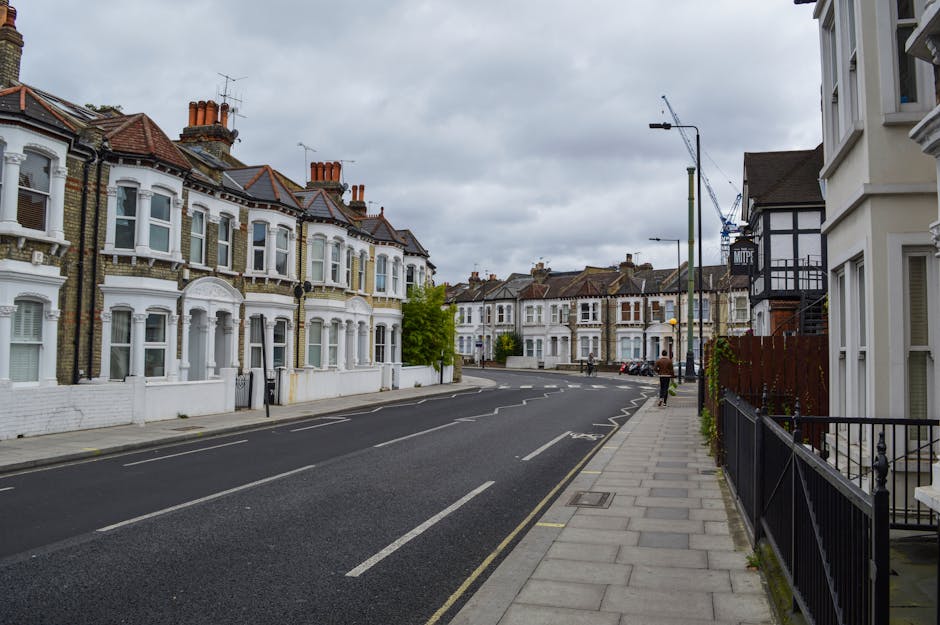
Removals compliance and permits for Kentish Town road closures
If you are planning a move in Kentish Town and the route involves a road closure, suspended parking bay, or restricted loading access, the paperwork can matter as much as the packing. Removals compliance and permits for Kentish Town road closures is really about making sure the vehicle, timing, access plan, and any local permissions all line up before moving day. Miss one small detail and you can end up with delays, extra costs, or a van circling the block while everyone gets a bit stressed. Not ideal, frankly.
This guide explains how the process usually works, what people often overlook, and how to plan a removal so it stays lawful, practical, and far less chaotic. You will also find a checklist, a comparison table, and the sort of real-world advice that helps when the street is narrow, the lift is small, and the neighbour's double parking somewhere nearby. Sound familiar?
Table of Contents
- Why Removals compliance and permits for Kentish Town road closures Matters
- How Removals compliance and permits for Kentish Town road closures Works
- Key Benefits and Practical Advantages
- Who This Is For and When It Makes Sense
- Step-by-Step Guidance
- Expert Tips for Better Results
- Common Mistakes to Avoid
- Tools, Resources and Recommendations
- Law, Compliance, Standards, or Best Practice
- Options, Methods, or Comparison Table
- Case Study or Real-World Example
- Practical Checklist
- Conclusion
- Frequently Asked Questions
Why Removals compliance and permits for Kentish Town road closures Matters
Kentish Town is one of those parts of London where a move can be straightforward one minute and awkward the next. Residential streets can be tight, parking can vanish quickly, and roadworks or planned closures can change access without much warning. If your removal vehicle cannot reach the property safely and lawfully, the whole job becomes harder for everyone involved.
Compliance matters for a few practical reasons. First, it helps protect public safety. A van parked across a narrow lane, kerb, or junction can obstruct traffic, pedestrians, cyclists, and emergency access. Second, it helps protect your move schedule. A missed permit or loading restriction can turn a planned early start into a long wait. Third, it helps protect your budget. Detours, enforcement issues, or rebooking a crew at short notice can be expensive.
There is also a trust element here. A professional move should not depend on guesswork. If a removals team is operating in an area with road closures, they should be checking the access plan, confirming any parking or loading permissions, and coordinating timings well before arrival. That is where proper local removals planning really earns its keep.
Expert summary: If a Kentish Town move involves any kind of road restriction, treat access planning as part of the removal itself, not an optional extra. It is one of the easiest ways to avoid a messy moving day.
For many customers, the stress is not the lifting. It is the uncertainty. Will the van fit? Will the road be open? Can the driver stop long enough to load? Those are the questions worth sorting early.
How Removals compliance and permits for Kentish Town road closures Works
The process is usually a mix of three things: route planning, permission checking, and timing. In plain English, you are making sure the removal vehicle can legally get close enough to the property to load or unload without causing an obstruction.
In a typical London move, the removals team will look at the address, the street layout, the height and width of the vehicle, and any known access limits. If the road is closed, partially closed, temporarily restricted, or subject to parking control changes, that needs to be reflected in the moving plan. Sometimes a permit or authorisation is needed for loading, sometimes a bay suspension or temporary traffic arrangement is involved, and sometimes the safest answer is to move at a different time.
It is worth saying this carefully: the exact permission required depends on the street, the type of closure, the local authority rules in force at the time, and the nature of the vehicle and operation. There is no one-size-fits-all answer. A domestic move with a small van is not treated the same as a larger household removal vehicle, and an office relocation can need a different access strategy again.
Good compliance also includes the practical bits people forget:
- checking whether the vehicle can legally wait or load on nearby roads
- confirming the building's move-in or move-out time slot
- protecting communal areas, pavements, and entrances
- making sure the crew knows where to park if the front door is inaccessible
- keeping moving documents handy in case anyone needs to confirm arrangements quickly
If your move creates a temporary staging problem, a backup option can help. For example, some customers use removals and storage when access is split over two days or the street is blocked at the wrong time. It is a practical buffer, and sometimes the sanest one.
Key Benefits and Practical Advantages
When compliance is handled properly, the advantages show up everywhere. Not in a flashy way. More in the little things: fewer delays, less walking with heavy boxes, calmer neighbours, and a removal team that can actually work instead of improvising around a parked bin lorry. That sort of thing.
- Reduced disruption: better access planning means fewer surprises at the kerbside.
- Lower risk of enforcement issues: proper permits or agreed loading arrangements help avoid penalties and complaints.
- Faster loading and unloading: the closer the vehicle can legally stop, the smoother the move tends to be.
- Better crew safety: fewer unnecessary carries across traffic or long stretches of pavement.
- Cleaner scheduling: road closures and time windows are easier to manage when they are built into the plan from the start.
There is a quieter benefit too: confidence. A move is already a lot to handle. Knowing the access side has been thought through gives you one less thing to worry about on the day. And honestly, that matters.
For households moving out of a flat or maisonette, a well-organised approach can make the difference between a smooth handover and a scramble in the hallway. If your move involves stairs, limited parking, or awkward entry points, it may be worth looking at flat removals alongside the access plan.
Who This Is For and When It Makes Sense
This topic matters to anyone moving in or around Kentish Town where a vehicle cannot simply pull up and wait. That covers more people than you might think.
- homeowners and tenants moving house
- people moving from top-floor flats with restricted access
- students moving between rentals during term breaks
- small businesses shifting offices on a tight timetable
- people using a van-and-driver service for a smaller load
- families combining a move with temporary storage
It makes sense to focus on permits and compliance whenever the street is likely to be busy, narrow, or time-restricted. If you know there are roadworks nearby, planned closures, suspended bays, or controlled entry to the building, the access plan needs extra attention. That includes early morning moves, weekend moves, and evening slots where local restrictions can still apply.
Some moves are simple enough that only a quick loading check is needed. Others need a more formal plan. For office relocations, especially, the difference between a normal weekday stop and a planned loading arrangement can be huge. If that sounds like your situation, office removals may be the right starting point for thinking about access, timing, and operational continuity.
A good rule of thumb? If you are asking yourself, "Will the van actually be able to stop there?" then yes, you probably need to think about permits and compliance. Fairly obvious, but easy to skip when you are busy packing mugs and charger cables.
Step-by-Step Guidance
Here is a practical way to approach a removal where Kentish Town road closures or access restrictions may be involved.
-
Map the property access
Look at the route from the van to the door, not just the road name. Check whether there are bollards, one-way systems, height restrictions, loading bays, school streets, or temporary closures.
-
Identify the type of restriction
Is it a full road closure, a part-closure, a parking bay suspension, or just a tight loading area? Each one affects the plan differently. A closure can affect route choice; a bay suspension affects stopping space; a loading restriction affects timing.
-
Confirm the move window
Work out when the property can be accessed and whether the van can arrive in that window. If a building manager has given a move slot, build the day around that slot rather than hoping the street will cooperate.
-
Check whether permissions are needed
This is the part where many moves go wrong. If the vehicle needs to stop in a restricted place, or if the street is controlled, the team should confirm what permission or arrangement is required before the move. Where needed, allow time for approval and do not leave it to the morning of the job.
-
Prepare a fallback plan
If direct access fails, can the vehicle stop nearby instead? Can smaller loads be transferred on foot? Could the move be split, or could items be held briefly in storage? A fallback reduces panic. It really does.
-
Brief everyone clearly
Make sure the driver, the crew, and the customer know the access point, any restrictions, and the contact person on the day. A five-minute briefing can save an hour of faffing around.
-
Keep documents available
Have booking confirmations, access notes, and any written approvals easy to reach. If someone challenges a stop or asks about the arrangement, you want the answer ready.
One small but useful habit: take a quick look at the street the day before, ideally at roughly the same time as the move. Roadworks can appear overnight, cones can change the layout, and what looked fine on Monday evening may be mildly annoying by Tuesday morning.
Expert Tips for Better Results
In our experience, the smoothest removals in restricted streets share a few common traits. Nothing fancy. Just careful prep and a willingness to plan for the annoying bits.
- Use the smallest practical vehicle: if a large van is unnecessary, a smaller one can be much easier to position near a closure or loading point.
- Book earlier than you think: access issues often take longer to sort than the packing itself. That is not always fair, but there it is.
- Split fragile or essential items: keep passports, medicines, chargers, and documents separate so they are not caught in the last box on the pavement.
- Protect stairwells and communal areas: in blocks and conversions, damage to shared spaces can become the real headache after the move.
- Build in slack time: a 20-minute delay on a London street can become 45 minutes before you know it.
- Think about storage as a pressure valve: if access timing is uncertain, short-term storage can stop the whole move from being held hostage by the roadworks.
If you need a bit more breathing room, short-term storage can help bridge the gap between moving out and moving in. For longer gaps, long-term storage may be more sensible. Neither option is glamorous, but they can save a lot of grief.
Another tip that sounds obvious until it is forgotten: label the boxes that must come off first. The kettle, bedding, and phone charger should not be buried under cookbooks and winter coats. You know how it goes.
Common Mistakes to Avoid
Most problems with road closures and removals compliance are not dramatic legal disasters. They are smaller mistakes that snowball. A missed notice here, an assumption there, and suddenly the van is waiting while everyone tries to solve the problem from a pavement.
- Assuming the road will be open: closures can change, especially with works, events, or last-minute traffic controls.
- Leaving permit checks too late: if permission or access approval is required, last-minute chasing can leave you stuck.
- Ignoring loading restrictions: even if the van is nearby, it may not be legal or safe to stop where you want.
- Not telling the removals team about access problems: a good crew can work around issues, but only if they know about them.
- Forgetting building rules: some properties have move times, lift booking rules, or entrance protection requirements.
- Overloading the plan: packing, cleaning, key handover, and loading all at once can be a bit much when the street is restricted.
One particularly common mistake is using a service designed for general moves when the job is really about constrained access. For a tight load, awkward parking, or a limited number of items, man and van can be a better fit than a larger standard removal setup. Not always, but often enough to mention.
And if your move is only a few large pieces rather than a full household, small removals may reduce the complexity, which in turn can make compliance easier. Smaller job, smaller headache. Usually.
Tools, Resources and Recommendations
You do not need a fancy toolkit to manage a compliant move, but a few simple resources help a lot. The goal is to make the access plan visible, not buried in someone's memory or a messy notes app.
- Property access notes: write down where the van should stop, where keys are collected, and which entrance to use.
- Photo references: a couple of phone photos of the street, entrance, and loading point can save endless back-and-forth.
- Timed move plan: list loading time, travel time, and any building slot or handover deadline.
- Inventory list: this helps the crew prioritise and avoids last-minute searching for the things you need most.
- Contingency storage option: useful if a closure, weather issue, or delay means the move cannot finish in one go.
For customers who want a straightforward way to compare service levels, pricing and quotes is useful for understanding what affects the cost, especially when access requirements make the job more involved. It is often better to price the reality than to pretend the street is perfectly simple. Streets rarely are.
If you are moving paperwork, records, or business files and need them kept tidy during a disruption, document storage can be a sensible support service. That is especially helpful in office moves where compliance and continuity have to be managed together.
Law, Compliance, Standards, or Best Practice
This part deserves careful wording. The precise legal and permit position for Kentish Town road closures depends on the local traffic management arrangements, the nature of the restriction, and the vehicle operation involved. In the UK, moving teams are generally expected to comply with road traffic rules, parking controls, loading restrictions, and any temporary orders or local access conditions that apply on the day.
Best practice is to treat compliance as a process, not a checkbox. That means:
- planning access before the move
- checking for closures or suspensions close to the date
- making sure any needed permissions are in place
- avoiding obstruction to pedestrians, cyclists, and traffic
- keeping the worksite tidy and safe while items are moved
Professional removals operators should also maintain reasonable health and safety standards. That includes manual handling care, safe vehicle positioning, and clear communication on site. If a company is serious about this side of the job, its own health and safety policy should be straightforward and visible, not buried in vague promises.
Insurance is another important layer. Even careful moves carry risk, especially where access is tight and furniture has to be manoeuvred over steps or through shared spaces. It helps to understand what cover is offered and what responsibilities sit with the customer, which is why insurance and safety matters so much in practical terms.
Where removals involve packing materials, wrapping, and waste reduction, sustainability also comes into play. Reusing cartons, separating recyclable materials, and avoiding unnecessary single-use packaging all support a cleaner move. If that matters to you, recycling and sustainability is worth looking at before the packing starts.
For the day-to-day service relationship, the obvious basics still count: clear terms, clear payment handling, and a complaints route if something goes wrong. Those pages may not be glamorous, but they signal a business that is thinking about the full journey, not just the van at the curb. See terms and conditions, payment and security, and complaints procedure for the sort of trust signals careful customers tend to look for.
Options, Methods, or Comparison Table
Not every restricted move needs the same solution. Sometimes a permit and a small van solve the issue. Sometimes the better answer is a smaller removal team, a different time slot, or a storage stop. Here is a simple comparison.
| Approach | Best for | Advantages | Limitations |
|---|---|---|---|
| Direct removal with access permit | Streets with managed restrictions but workable loading access | Fastest if approved; minimal handling | Depends on correct timing and permission being in place |
| Man and van | Smaller moves or short loading windows | Flexible, practical, easier to position | May require more trips for larger loads |
| Small removals service | A few bulky items or compact flats | Efficient for lighter jobs; less disruption | Not ideal for a full house move |
| Removals with storage stop | Moves disrupted by closures, timing gaps, or key delays | Offers flexibility and breathing room | Extra handling and possible additional cost |
| Full household removal | Complete home moves with established access | Best for bigger loads, furniture, and family moves | Can be harder to manage in heavily restricted streets |
If your move is a compact flat or a top-floor property with awkward access, a more tailored service can be the difference between a calm day and a very long one. For example, house removals suits fuller home moves, while a smaller access-sensitive job may fit better under man and van or small removals.
Case Study or Real-World Example
Here is a realistic example. A couple moving out of a third-floor flat in Kentish Town had planned to load on a Saturday morning. A temporary restriction nearby meant the usual stopping point was unavailable, and the nearest legal loading space was further away than expected. Nothing dramatic, but awkward enough.
Instead of pushing ahead and hoping for the best, the move was adjusted. The team confirmed the access route, split the load into priority items and the rest, and used a short-term storage arrangement for overflow boxes that did not need to travel that day. The main furniture went out first, the essentials were delivered on time, and the couple did not have to stand in the hallway watching a van search for a non-existent parking space. Everyone slept better afterwards, I suspect.
That is the real point of compliance and permits. They are not just about avoiding a fine or ticking a box. They keep the move workable when the street is less cooperative than you hoped.
Another common scenario is an office move where the access window is short and the street has loading limits. In that case, careful planning, labelled crates, and a tidy loading sequence can keep staff disruption low. If you are moving a business, business storage can help when archives, stock, or equipment need to be held securely during a staggered relocation.
Practical Checklist
Use this before moving day. It keeps the important bits in one place.
- Confirm the exact moving address and access point
- Check whether Kentish Town road closures or temporary restrictions affect the route
- Ask whether parking, loading, or stopping permissions are required
- Make sure the removals team knows the size of the vehicle and the property type
- Confirm the move window with the building or landlord
- Set aside essentials for first access at the new property
- Label boxes by room and priority
- Protect shared areas, floors, and door frames if needed
- Have a fallback plan if the direct loading point becomes unavailable
- Keep contact details and booking notes close at hand
If your move includes furniture you do not want in the van on day one, it can help to place those items into furniture storage ahead of time. That is especially handy if the road closure makes the schedule messy or if the property is not ready all at once.
For students or shared-house movers, there is a slightly different rhythm. The loads are often smaller, the timing is tighter, and the street access may still be awkward. In those cases, student storage can take the pressure off between tenancies and term dates.
Get a free quote today and see how much you can save.
Conclusion
Removals compliance and permits for Kentish Town road closures are not about bureaucracy for its own sake. They are about making a move possible, safe, and far less stressful when the street layout is working against you. A little planning around access, timing, and permissions can prevent a lot of hassle later.
If there is one takeaway, it is this: do not leave road closures to chance. Check the access, think through the loading point, and build a backup into the plan. The difference is often surprisingly large. You feel it on the day, when the van arrives, the boxes come out, and the move just flows.
And if it does not flow perfectly? Fair enough. Real life rarely does. But with the right plan, it can still go smoothly enough to let you breathe, smile, and enjoy that first cup of tea in the new place.
Frequently Asked Questions
Do I need a permit for a removal in Kentish Town if the road is closed?
Not always, but you should never assume you can stop anywhere just because it is a move. The need for a permit or special permission depends on the type of closure, the vehicle, the timing, and the local restrictions on the day.
What counts as a road closure for a removals job?
It can mean a full closure, a partial closure, temporary traffic management, suspended parking bays, or a loading restriction that stops a van from pulling in normally. Even a narrow diversion can affect access.
How far in advance should I check access for a Kentish Town move?
As early as possible. A few days may be enough for a simple move, but if there are closures, building rules, or parking limitations, earlier is better. That way, there is time to fix problems instead of reacting to them.
Can a man and van service handle road closure issues better than a larger removal truck?
Often, yes. A smaller vehicle can be easier to position in tight streets, especially when loading space is limited. But it still needs to be lawful and safe. Small does not mean carefree.
What should I tell my removals company before moving day?
Tell them about any road closures, access codes, loading bays, parking rules, lift bookings, narrow entrances, and time restrictions. The more accurate the information, the better they can plan.
What if the van cannot get close enough to my property?
The team may need to park further away, use a different access point, split the load, or reschedule part of the move. In some cases, temporary storage is the cleanest fix.
Are office moves affected differently from house removals?
Yes, often they are. Office moves may involve tighter time windows, more equipment, and less tolerance for disruption. Access planning can be more detailed because business continuity matters.
Is storage useful if my move is delayed by a closure?
Very often, yes. Short-term storage can help when the new property is not ready, the road is blocked, or the timing turns awkward. It gives you breathing room, which is often worth a lot.
How do I know whether my moving plan is compliant?
Check that the vehicle can legally access the street, that any required permissions are in place, and that the loading/unloading plan does not obstruct traffic or pedestrians. If something feels uncertain, it probably needs another look.
What are the most common mistakes people make with road closures?
The biggest ones are leaving checks too late, assuming the street will be open, and not telling the removals team about access issues. Those three alone cause more headaches than they should.
Can I move during busy hours if there is a closure nearby?
Sometimes, but it is not ideal. Busy periods usually make traffic, parking, and loading more difficult. If you have flexibility, choose a time that gives the crew a better chance of working without pressure.
Where can I find more information about service standards and policies?
Start with the company's own service pages and policy pages. The useful ones are usually the ones that explain practical matters clearly, such as safety, insurance, terms, and payment handling. That is where trust tends to show up in the real world.