Removals Kentish Town Road N19 Moving Guide
If you are planning a move around Kentish Town Road, you already know this is not the sort of street where you can just wing it on a Saturday morning and hope for the best. Between busy traffic, parking pressure, narrow stretches, and the everyday London shuffle of delivery vans, cyclists, and pedestrians, a move here needs a bit of thought. This Removals Kentish Town Road N19 moving guide walks you through the practical side of moving in the area, from preparation and packing to access, timing, costs, and the little details that make the day run smoothly.
Whether you are leaving a flat above a shop, moving into a terraced house nearby, or coordinating a larger family relocation, the goal is the same: less stress, fewer surprises, and a much cleaner moving day. Truth be told, most of the problems people face are not dramatic. They are the small things. A missed parking bay. A sofa that will not fit the stairwell. A box of cables that disappears at exactly the wrong moment. This guide is here to help you avoid that sort of chaos.
For readers who want broader moving advice beyond this local route, you may also find our removals services overview helpful, especially if you are comparing different levels of support. And if your move involves delicate items, it is worth reading our page on professional packing services before you start filling boxes in a rush.
Table of Contents
- Why Removals Kentish Town Road N19 moving guide Matters
- How Removals Kentish Town Road N19 moving guide Works
- Key Benefits and Practical Advantages
- Who This Is For and When It Makes Sense
- Step-by-Step Guidance
- Expert Tips for Better Results
- Common Mistakes to Avoid
- Tools, Resources and Recommendations
- Law, Compliance, Standards, or Best Practice
- Options, Methods, or Comparison Table
- Case Study or Real-World Example
- Practical Checklist
- Conclusion
- Frequently Asked Questions
Why Removals Kentish Town Road N19 moving guide Matters
A move in N19 is rarely just a matter of carrying boxes from one place to another. Kentish Town Road sits in a lively part of north London, and that changes how removals need to be planned. Access can be tight, parking can be limited, and timing matters far more than it would in a quieter suburban street. If you get the plan right, the move feels calm. If you get it wrong, even a small delay can ripple through the whole day.
This is why a local moving guide matters so much. A removal team that understands the area can anticipate the sorts of issues that catch people out: limited waiting space, busy school-run traffic, loading restrictions, building access rules, and the simple fact that a third-floor flat in a period building is not the same as a house with a drive. A good move is not just about strength. It is about sequencing, timing, and local know-how.
It also matters because moving day is already an emotional day for most people. Even if you are excited, you are still dealing with admin, keys, utilities, fragile belongings, and the weird feeling of seeing your home reduced to labelled cartons. A clear moving plan takes pressure off you. That alone is worth a lot.
Expert summary: In a busy London location like Kentish Town Road, the best removals plan is usually the one that respects access, parking, building rules, and timing before it even touches the first box.
For people moving with awkward access or multiple stops, our man and van Kentish Town service can be a sensible option for smaller loads, while larger household moves may suit a more full-service approach.
How Removals Kentish Town Road N19 moving guide Works
At its simplest, removals work by matching the right vehicle, crew, and packing approach to the actual conditions of the move. In practice, that means a few stages: enquiry, survey or inventory review, planning, packing, loading, transport, unloading, and final checks. Sounds straightforward. The reality can be slightly less tidy, but that is exactly why planning helps.
1. Initial assessment
The first step is understanding what needs moving. That includes the number of rooms, heavy items, fragile items, access points, and whether anything needs dismantling. A piano, wardrobe, or large sofa changes the whole plan. So does a top-floor flat without a lift. If you are unsure, take photos. They are often more useful than vague descriptions over the phone.
2. Route and access planning
For Kentish Town Road and the surrounding N19 area, a removals team may consider the most practical arrival time, how close the vehicle can get to the entrance, and whether any special loading arrangements are needed. Some buildings need advance notice, and some streets are easier at certain times of day. A little flexibility goes a long way.
3. Packing and protection
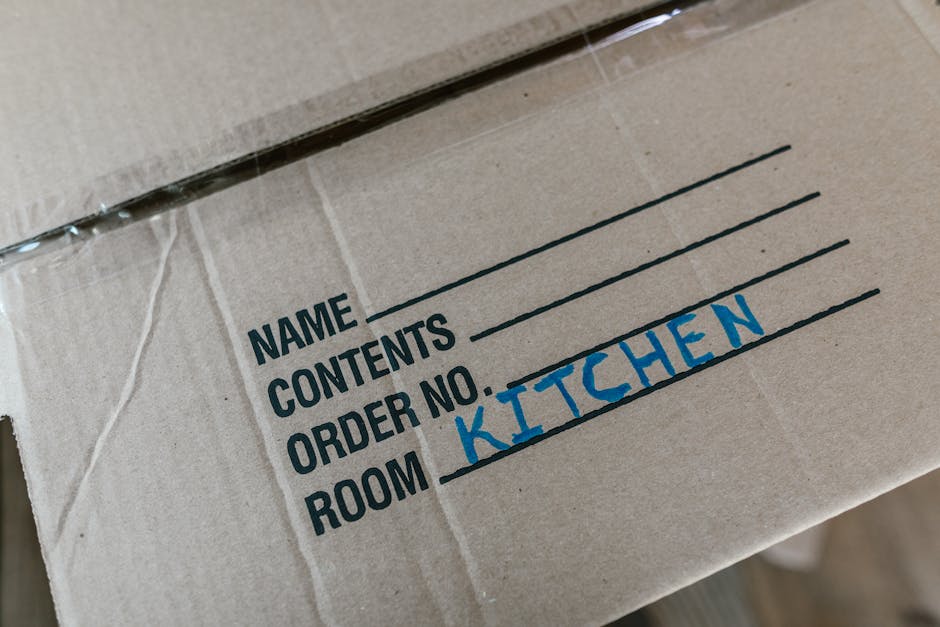
Packing is not just about fitting things into boxes. It is about protecting corners, making lifting safer, and keeping the day organised. Good packing also reduces unpacking stress later. Label boxes clearly by room and priority. If you want a smoother start at the new place, keep a small essentials bag separate. Kettle, mug, charger, toiletries, snacks. The usual little lifesavers.
4. Loading and transport
On moving day, the team should load in a logical sequence, usually starting with larger furniture and then building around it with boxed items. The aim is to protect goods during transit and make unloading efficient. A good crew will keep an eye on fragile items, balance the load, and avoid the classic moving day scramble where the one thing you need is buried under six lamps and a bag of winter coats.
5. Unloading and placement
Good removals do not end at the front door. Items should go into the right rooms where possible, and furniture should be placed so you are not immediately lifting the same heavy thing twice. Small detail, big difference. If you are moving into a busy flat, this part can save a lot of back-and-forth.
If you need support at both ends of the move, our packing and unpacking support can help make the process feel more manageable, especially for families or time-poor professionals.
Key Benefits and Practical Advantages
People often assume removals are just about convenience. They are more than that. Done properly, they reduce risk, save time, and help you settle in faster. In an area like Kentish Town Road, those benefits become even more noticeable.
- Less physical strain: Heavy lifting is tiring and, frankly, easy to get wrong if you are rushed.
- Better time control: A planned move is much less likely to drift into the evening.
- Lower damage risk: Proper wrapping and handling reduce the chance of chipped furniture or broken glass.
- More predictable access: Planning around parking and building entry avoids awkward delays.
- Less stress on the day: You are not trying to solve ten problems at once.
- Faster settling-in: Clear room placement and organised boxes make the first night easier.
There is also a financial angle, even if people do not always think about it that way. A poorly planned move can create avoidable costs: extra time, extra trips, parking complications, or damage to belongings. A well-run move helps protect your time and your budget at the same time. Nice when that happens, isn't it?
For anyone comparing options in the local area, our house removals service is useful if you are moving a full home, while a smaller move may benefit from a more flexible man and van option.
Who This Is For and When It Makes Sense
This moving guide is useful for anyone relocating to, from, or within the Kentish Town Road N19 area. That includes renters, homeowners, students, families, landlords managing a property turnover, and people moving in or out of flats with narrow access. It also helps if you are not moving far but still need the day to run cleanly. Short-distance moves can be surprisingly fiddly, which is a bit annoying, but true.
It makes particular sense if you are:
- moving from a flat with stairs or limited lift access
- working to a fixed checkout or key handover time
- moving bulky furniture or fragile items
- sharing the move with work, childcare, or travel commitments
- unfamiliar with parking or loading conditions in the area
- wanting a removal team that can manage the heavy lifting while you focus on admin
It can also make sense if you are moving on a tight schedule and simply do not have the spare time to sort packing, transport, and unloading yourself. To be fair, a lot of people reach that point. You start with good intentions, then suddenly it is Thursday and half the kitchen is still in use.
If your move involves more than one property or a slightly more complex schedule, it may be worth looking at our business removals support if you are relocating a workspace, or office relocation services for a commercial move.
Step-by-Step Guidance
Here is a practical way to plan a removals job around Kentish Town Road without turning it into a weekend-long crisis.
Step 1: Make a proper inventory
Walk through each room and list the larger items, fragile belongings, and anything awkward to carry. It does not need to be perfect, just honest. Include the things people always forget: mirrors, coat rails, outdoor bits, lamps, under-bed storage, and the drawer full of cables that somehow reproduces itself.
Step 2: Check access at both properties
Look at stairs, lifts, front doors, entry codes, intercoms, and any loading restrictions. If the move is in a period building, measure the tight bits. Hallways can look wider in your mind than they are in reality, especially when you are in a rush.
Step 3: Decide what you are packing yourself
Some people pack all the small stuff and leave the furniture to professionals. Others want a full packing service. There is no single right answer. The best choice is the one that suits your time, budget, and stress tolerance. Honestly, that is the real metric.
Step 4: Reserve parking or plan vehicle access
Parking near Kentish Town Road can be the difference between a smooth lift and a long, tiring carry. Check what is needed well before the move, and confirm the arrival plan with your removal team. Even a few extra metres matter when you are moving a sofa or a heavy wardrobe.
Step 5: Pack an essentials box
This should travel with you, not in the truck if possible. Include chargers, keys, tea bags, snacks, medication, toilet paper, basic toiletries, and a clean change of clothes. It sounds almost too simple to mention, but people forget it all the time.
Step 6: Label clearly and consistently
Use room names and short notes such as "fragile," "open first," or "books." Clear labels save time at the other end and help the team place boxes in the right rooms. A little organisation now is worth a lot later, especially when the kettle is somewhere in a pile of identical brown boxes.
Step 7: Confirm the move plan the day before
Check timings, contact numbers, parking arrangements, and any changes to access. If the plan changes, tell everyone early. That single call can prevent a lot of head-scratching on the morning itself.
Expert Tips for Better Results
A few small habits make a big difference. None of these are dramatic, but they are the sort of things experienced movers tend to care about because they save time and trouble.
- Disassemble early if needed: Beds, shelving, and large table legs are easier to manage when not left to the last minute.
- Keep screws and fittings together: Put them in labelled bags and tape them to the matching furniture piece.
- Use sturdy boxes, not mixed leftovers: Weak boxes collapse at the worst possible moment.
- Do not overfill boxes: Books are heavy. Very heavy. One full box of books can be awkward even for strong people.
- Protect floors and corners: Especially in shared hallways or rented properties where damage is a real headache.
- Take photos before dismantling: Helpful for reassembly, and yes, it saves arguments with furniture instructions that seem written in another language.
- Keep pathways clear: This one sounds obvious, but it can make or break the loading speed.
A useful habit, especially in busy areas, is to think in stages rather than one big event. Pack the non-essentials first. Then the spare room. Then the daily-use items. That rhythm makes the process feel much less overwhelming.
If you are moving valuable household items or need help deciding what should be wrapped separately, our specialist removals support is a practical place to start.
Common Mistakes to Avoid
Most moving problems are predictable. The tricky part is that they feel small until they are happening in real time, and by then everyone is a bit tired.
1. Leaving packing too late
This is the classic one. You tell yourself there is plenty of time, then suddenly it is the night before and you are wrapping kitchen glasses with yesterday's newspaper at 11:40 pm. Not ideal.
2. Forgetting about access restrictions
Do not assume the removal vehicle can stop anywhere. In parts of N19, access planning matters. If parking is not sorted, everything becomes slower and more expensive.
3. Overestimating what you can lift safely
Even a small staircase can turn a simple move into a risky one if items are too heavy or awkward. If in doubt, ask for help. No bravado needed.
4. Failing to separate essentials
People often pack everything into the truck and then spend the first night hunting for toothbrushes and phone chargers. Keep the basics with you.
5. Not measuring furniture properly
The sofa is lovely until you discover it will not make the turn into the bedroom. Measure first. Save yourself the drama.
6. Skipping insurance or cover checks
Ask what protection is included and what conditions apply. It is better to understand that upfront than to be surprised later. A clear conversation here is worth the time.
Tools, Resources and Recommendations
You do not need a mountain of equipment for a good move, but a few basic tools make life easier. The right kit also reduces the chance of damage and speeds things up.
| Tool or resource | Why it helps | Best use |
|---|---|---|
| Strong cardboard boxes | Protects items and makes stacking safer | General household packing |
| Bubble wrap and paper | Cushions fragile items | Glassware, ceramics, framed pieces |
| Labels and marker pens | Keeps boxes organised | Room-by-room packing |
| Furniture blankets | Helps prevent scratches and scuffs | Large furniture, polished surfaces |
| Tape and scissors | Secures boxes and wraps | Closing boxes and minor dismantling |
| Phone camera | Records cable setups and furniture layouts | Before dismantling appliances or shelving |
It is also worth preparing a short moving folder, digital or paper, with the key details: new address, contact numbers, inventory notes, access instructions, and any building rules. It sounds basic, but the calmest move is usually the one where nobody is searching for one loose bit of paper at the wrong moment.
For more guidance on planning by property type, our flat removals page may be useful if you are dealing with stair access or a compact layout, while our local removals service is a good fit for shorter moves within London.
Law, Compliance, Standards, or Best Practice
Moving home or office in London often involves practical compliance rather than complicated legal theory. The main thing is to follow the rules that affect access, parking, building use, and safe handling. Exact requirements vary depending on the street, borough, building, and property management rules, so it is always sensible to check the specifics for your location.
Here are the main best-practice points to keep in mind:
- Parking and loading: Check whether any restrictions, permits, or loading rules apply before the moving day.
- Building management: Some blocks require advance booking for lifts, loading bays, or service entrances.
- Health and safety: Safe lifting, clear pathways, and sensible handling are standard practice on any professional removal job.
- Insurance clarity: Understand what your chosen service includes and whether any items need extra care or declaration.
- Neighbour consideration: Try to keep noise, blockages, and disruption to a minimum, especially in shared buildings.
If you are moving from rented accommodation, it is also wise to read your tenancy terms carefully and confirm any expectations around checkout condition, keys, or end-of-tenancy access. Small admin details matter. More than people expect, actually.
For commercial moves, you may want to review our compliance and insurance information so you understand how protection and responsibility are handled before the move starts.
Options, Methods, or Comparison Table
Different moves call for different approaches. The best option depends on the size of your property, how much you are moving, and how much help you want on the day.
| Method | Best for | Pros | Trade-offs |
|---|---|---|---|
| DIY van hire | Very small moves, low volume, flexible schedules | Can be cheaper upfront; full control | Heavy lifting, packing stress, parking and driving are on you |
| Man and van | Small to medium local moves | Flexible, practical, often quicker for short distances | May not suit larger households or complex access |
| Full removals team | Flats, family homes, bulky furniture, busy schedules | Less strain, more support, better for coordination | Usually costs more than DIY |
| Packing plus removals | Busy households, fragile belongings, time-poor movers | Best convenience, better organisation, lower packing stress | Higher cost, needs advance planning |
The right choice is not always the cheapest. Sometimes the cheapest option becomes the most expensive once you count time, effort, and the cost of fixing a mistake. A small move with a few boxes might be fine with a van. A top-floor flat with furniture and awkward access? That is a different story entirely.
Case Study or Real-World Example
Imagine a couple moving from a second-floor flat near Kentish Town Road into a slightly larger place not far away. On paper, the distance is short. It looks simple. But the old flat has narrow stairs, the new building has a time window for lift access, and the sofa is just a touch too big for one of the corners.
They decide to pack the small items themselves over several evenings, leaving the furniture and heavy boxes to a removal team. The team checks access in advance, arrives at the agreed time, and starts with the larger items before the hallway gets cluttered. One person handles boxes, another manages furniture protection, and the couple keeps an essentials bag and documents with them. Nothing fancy. Just proper coordination.
The move still takes effort, of course. All moves do. But there is no last-minute panic, no mad search for tape, and no awkward decision about whether a wardrobe can be carried down three flights on a hope and a prayer. The new place starts to feel liveable by the evening. Tea appears. A lamp gets plugged in. The whole atmosphere changes.
That is often the real aim of a good removals service: not just to transport things, but to help you get your life back into some sort of order quickly.
Practical Checklist
Use this checklist in the days leading up to your move. Keep it simple and tick things off as you go.
- Confirm moving date and time
- Check access at both addresses
- Arrange parking or loading permissions if needed
- Sort keys, alarms, and entry instructions
- Decide what you are packing yourself
- Gather boxes, tape, labels, and wrapping materials
- Pack an essentials bag
- Label boxes by room and priority
- Dismantle furniture that will not fit safely through doors or stairs
- Protect fragile items and photographs
- Keep important documents with you
- Confirm contact numbers for the move team
- Do a final walk-through before leaving
- Check meter readings if relevant
- Make sure both properties are left secure
Quick reminder: if you only do three things well, make them access planning, clear labelling, and an essentials bag. Those three alone can save a huge amount of stress.
Conclusion
A well-planned move around Kentish Town Road and the wider N19 area does not need to be complicated. It just needs to be thoughtful. Once you account for access, parking, packing, and timing, the whole process becomes far more manageable. And that is really the heart of this Removals Kentish Town Road N19 moving guide: help the day feel calmer, clearer, and a lot less like a scramble.
If you are comparing services or deciding how much help you need, focus on the practical questions. Can the team handle your access? Do they understand local parking challenges? Will they protect your belongings and place them sensibly at the other end? Those are the details that matter. The rest is just noise.
Get a free quote today and see how much you can save.
And if you are still at the planning stage, that is perfectly fine. A steady move is usually a better move. One box at a time, one decision at a time.
Frequently Asked Questions
What is included in a removals service for Kentish Town Road N19?
Most removals services cover loading, transport, and unloading, with some offering packing, furniture dismantling, and basic protection for fragile items. The exact scope depends on the provider and the package you choose, so it is sensible to confirm the details before booking.
How far in advance should I book a move in this area?
As a general rule, booking earlier gives you more choice on timings and reduces last-minute stress. This is especially useful in busy London areas where parking and access need a bit of planning.
Is a man and van suitable for a flat move on Kentish Town Road?
Yes, often it is. A man and van can work very well for smaller flats, studio moves, or shorter local relocations. If you have bulky furniture, lots of boxes, or awkward stairs, a fuller removals team may be more suitable.
Do I need to arrange parking for the removals vehicle?
In many cases, yes or at least you should check. Parking and loading conditions can have a big effect on the move. It is worth confirming what is allowed near both addresses and whether any permissions are needed.
What should I pack in my essentials box?
Keep basics such as chargers, medication, toiletries, toilet paper, snacks, a kettle if needed, a change of clothes, and important documents. The essentials box should be easy to reach and ideally travel with you.
How can I protect fragile items during the move?
Use proper packing materials, wrap items individually, and label boxes clearly. Glass, ceramics, mirrors, and framed pictures benefit from extra cushioning and careful stacking. If you have a lot of breakables, a packing service can be worth considering.
What if my furniture does not fit through the stairwell?
Measure before moving day where possible, and check the access route carefully. Some furniture may need to be dismantled. A removal team can usually advise on the safest approach, which is much better than trying to force the issue on the day.
Are removals teams insured?
Many professional removal services carry insurance or offer cover as part of their service, but the type and level of protection can vary. Always ask what is included and whether any exclusions apply.
Can I move on a weekend in Kentish Town Road N19?
Often yes, but availability, access, and building rules still matter. Weekend moves can be convenient for work schedules, though they may also be busier. A little advance planning helps a lot here.
How do I keep moving day less stressful?
Pack early, label clearly, confirm access, keep essentials separate, and choose the right type of removal support for the size of the move. Simple things, really, but they make a big difference.
What is the best option for a short local move in N19?
That depends on volume and access. For a smaller load, a flexible local removals or man and van service can be efficient. For larger homes or more complex moves, a full removals team is usually the easier route.
Should I use a packing service or do it myself?
If you have time, good packing materials, and a fairly straightforward move, doing it yourself can work well. If you are short on time, have valuable items, or want less pressure, a packing service may be the better choice.
What should I do if the move date changes?
Tell your removals provider as soon as possible and update anyone else involved, such as landlords, building managers, or family members. Early notice helps avoid unnecessary disruption and makes it easier to reschedule smoothly.